November 17, 2026 · by Tidey Ocean Foundation
Microplastics Start as Plastic We Can Still Pick Up
Most microplastics in the ocean start as bottles, bags and wrappers. Here is how collecting that plastic before it breaks down stops microplastics at the source.
If you have looked up how to reduce microplastics, you have probably found the same list we have. Filter your water. Stop heating food in plastic. Wash synthetic clothes less often. Those steps are worth doing, and we covered them in From Tap Water to Takeout. They lower what ends up in your body.
They do a lot less for the ocean. Most of the microplastic out there did not start small. It started as a bottle, a bag or a chip wrapper that nobody picked up.
Most microplastics start as something bigger
Scientists split microplastics into two kinds. Primary microplastics are already tiny when they escape: fibers from laundry, dust from tires, plastic pellets. A 2017 IUCN report estimated these make up 15 to 31 percent of the plastic reaching the ocean each year.
The rest is ordinary plastic waste. Sun makes it brittle, heat and water crack it, and one bottle slowly turns into many smaller pieces.
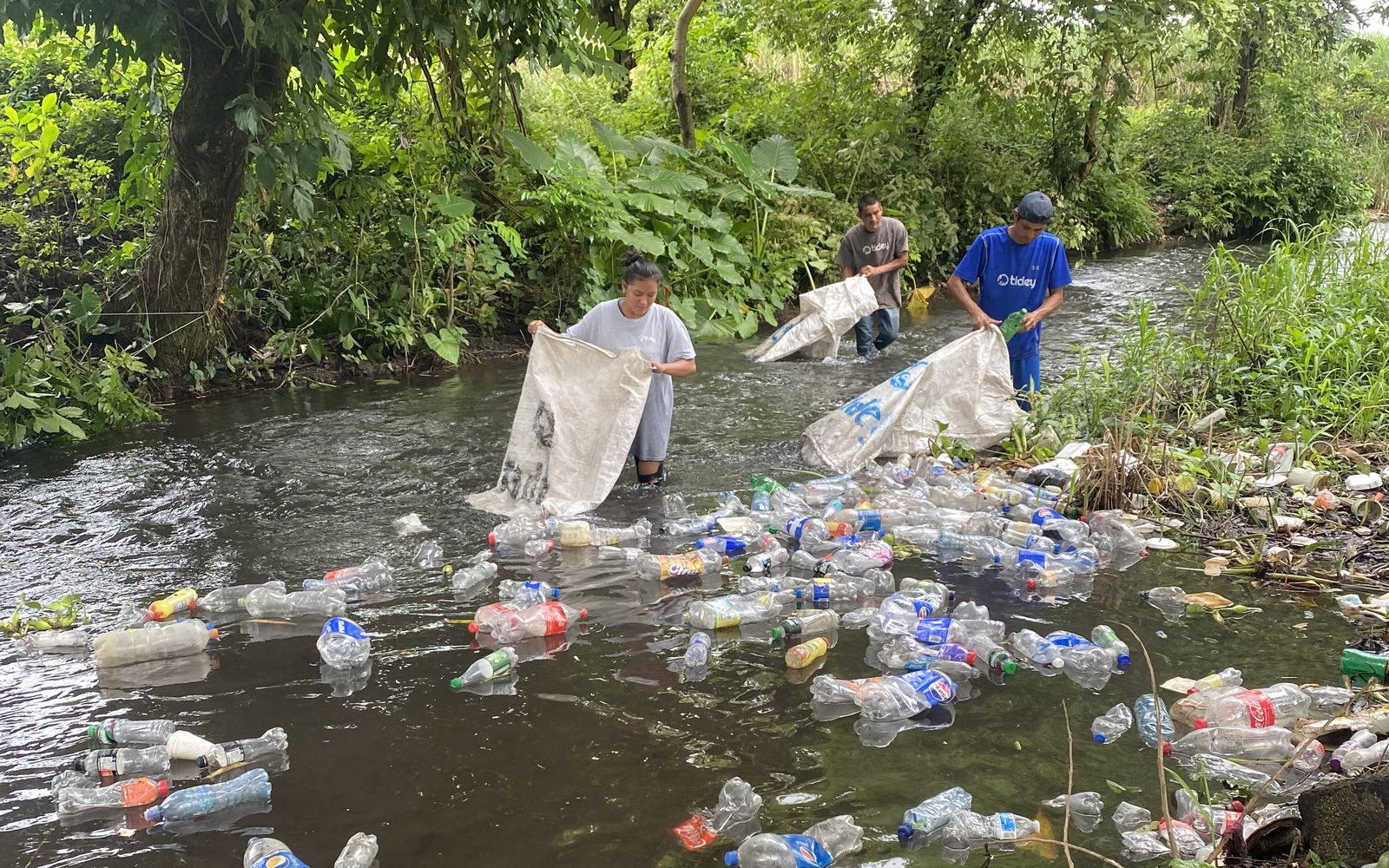
Rivers are how most of it gets to the coast. A 2021 study in Science Advances estimated that rivers carry 0.8 to 2.7 million metric tons of plastic to the ocean every year, and that more than 1,000 rivers account for 80 percent of it, with small urban rivers among the worst (The Ocean Cleanup). The researchers found that short rivers in Central America carry heavy loads, that tropical rivers push plastic out year round, and that dump sites within about six miles of a river are likely to spill into it (National Geographic).
Once it is out there and broken up, it doesn't come back. A 2023 study led by the 5 Gyres Institute estimated more than 170 trillion plastic particles are now floating on the ocean surface (Stockholm Resilience Centre).
What actually reduces microplastics
There are two honest answers, depending on whose microplastics you mean.
For your own exposure, the household steps work. Start with the ones in our exposure guide.
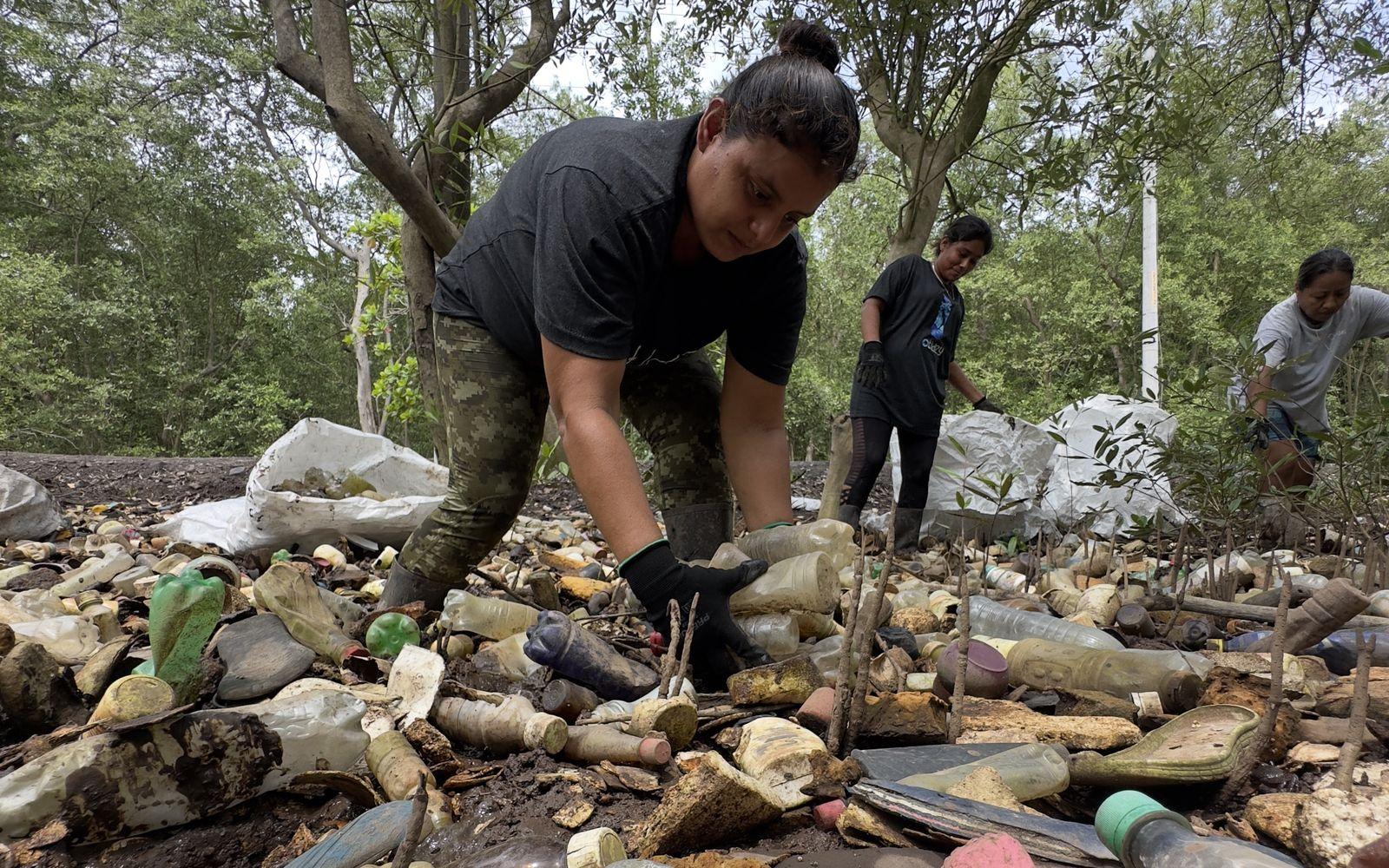
For the ocean, the biggest lever is picking plastic up while it's still whole. A bottle on a riverbank is one thing you can grab. Left there through a season of sun and floods, it breaks into pieces nobody can collect.
We can't do anything about tire dust or laundry fibers, and we won't pretend to. That share needs better products and better wastewater treatment. But most ocean plastic starts as waste someone could still pick up, and that is the part we work on.
Paying people to pick it up first
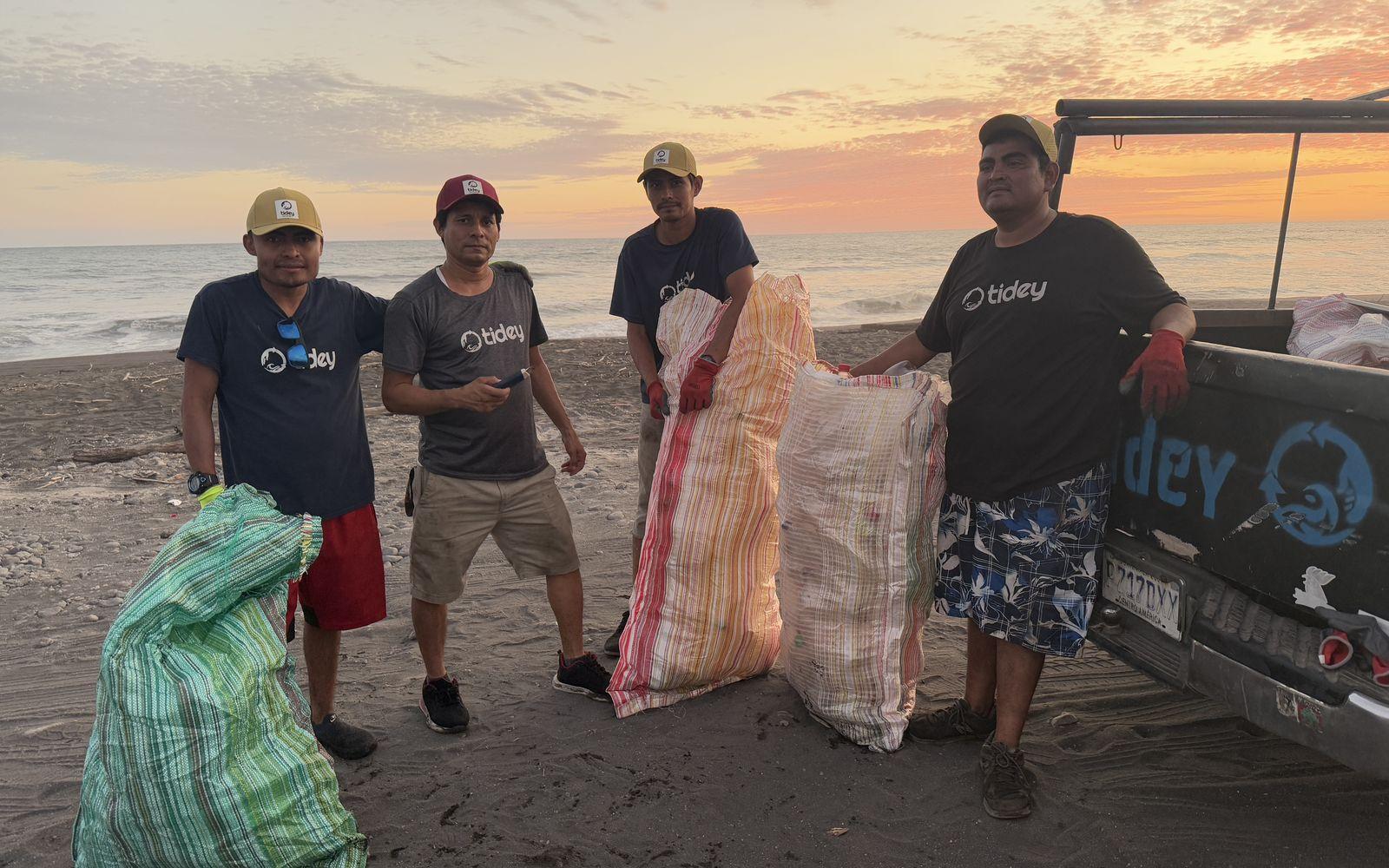
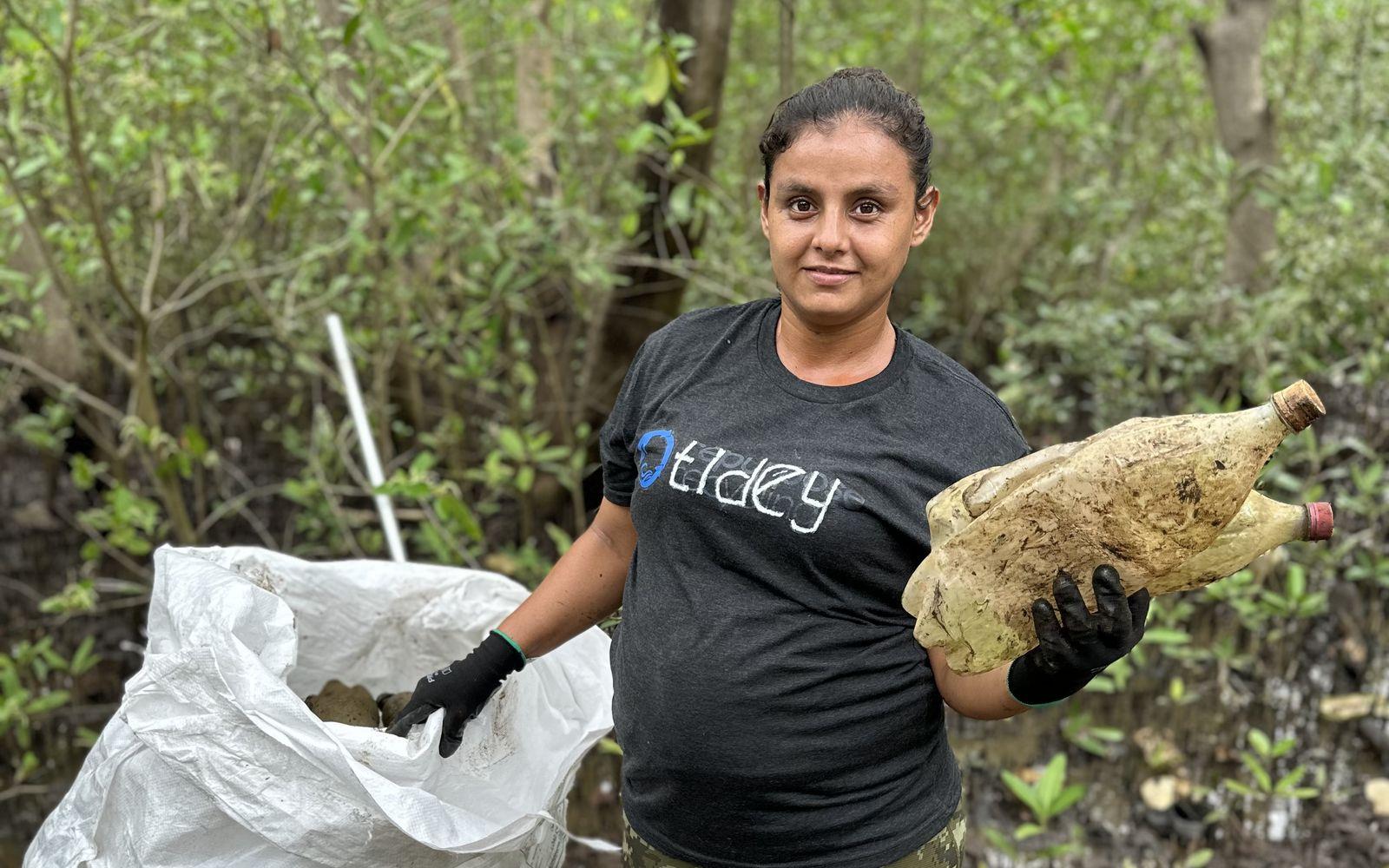
In Guatemala, more than 250 collectors bring us plastic from riverbanks, roadsides, streets and their neighbors' homes. We pay for the plastic they bring in, and the money goes straight to the people who collected it. Some collect part time around other work and family, and some do it full time. One collector told us she uses hers for the electric bill and propane.
Without a buyer, that plastic has nowhere good to go. Where we work, trash that does get picked up usually ends up dumped down a ravine or burned to make room. A ravine dump near a river spills into it every rainy season. Burning creates its own pollution, which we wrote about in Out of Sight, Into Smoke.
We sell what collectors bring in to recyclers, and that revenue covers about half of what we spend in Guatemala. So a donated dollar does about two dollars of work: income for a family and plastic off the ground. Every purchase is logged by collector and weight, so we can show where each pound came from.
Since 2021, collectors have brought in more than 1.7 million pounds. Almost all of it came in as bottles, caps and bags, before it had a chance to become microplastic.
How to help
$10 covers about 20 pounds of plastic collected and sent to a recycler, and pays the person who picked it up. You can give at tideyocean.org/donate.
If you run a business, our partners fund collection by the pound and get a record of every pound: tideyocean.org/business-partners.
And if you want to see what happens to the plastic after it is picked up, our newsletter comes from the field no more than once a month. You can sign up at the bottom of this page.
Collection numbers, new research on plastic and health, and what we are learning in the field.